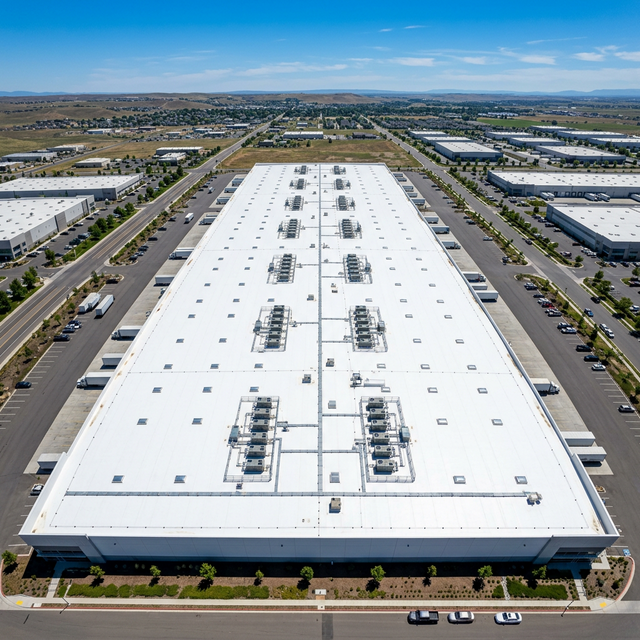
Commercial flat roofs are engineering marvels designed to protect sprawling footprints of warehouse, retail, or industrial space. However, due to their near-zero pitch, they are inherently vulnerable to standing water, debris accumulation, and thermal shock. A "set it and forget it" mentality with a commercial roof guarantees premature failure.
Establishing a comprehensive commercial roof maintenance guide and protocol is the absolute best return on investment a property manager can make. It transforms sudden, catastrophic capital expenses into predictable, manageable operating costs.
1. The Four Horsemen of Flat Roof Damage
To establish a maintenance plan, you must first understand the enemies of a commercial roofing system:
- Ponding Water: Defined as water that remains on a roof 48 hours after rain. It acts as a magnifying glass for UV rays and drastically weakens the membrane beneath.
- Membrane Shrinkage: Particularly common in EPDM roofs, extreme temperature swings pull the membrane taut, tearing it away from parapet walls and flashings.
- Blocked Drainage: Leaves, gravel, and urban debris constantly clog scuppers and internal drains, creating massive, unintended water weight.
- Third-Party Foot Traffic: HVAC technicians, window cleaners, and other trades frequently drop tools or walk off designated walkway pads, puncturing the membrane.
2. The Bi-Annual Inspection Checklist
Every commercial roof should hit be inspected twice a year: once in the late spring (to check for winter/ice damage), and once in the late fall (to clear leaves and prepare for snow/ice loads). Your roofing technician should evaluate:
A. Penetration Flashings
Pipes, vents, and HVAC curbs punch holes through the roof membrane. The caulking, pitch pockets, and seals around these penetrations degrade far faster than the main roof surface. Re-sealing pitch pockets is an annual necessity.
B. Perimeter Parapet Walls
The transition angle where the flat roof turns up the parapet wall is a high-stress zone. Inspectors look for coping cap displacement, loose termination bars, and membrane tearing or "tenting."
C. Drainage Systems
Scuppers, gutters, and internal drains must be cleared. A single blocked drain can hold thousands of pounds of water, exceeding the structural capacity of the roof trusses.
3. Implementing "Active" Preventative Maintenance
An inspection is passive; maintenance is active. When a roofing contractor visits, they shouldn't just look—they should perform immediate mitigating work. This includes reapplying mastic to weak seams, clearing all drains, sweeping major debris, and investigating soft spots in the insulation for potential moisture intrusion beneath the surface via infrared scanning.
Conclusion
Waiting for a water stain to appear on the ceiling tiles of your top-floor tenant means the structural deck is already saturated. By implementing the steps in this commercial roof maintenance guide, you can confidently add 5 to 10 years to the usable lifespan of your building's most critical asset.
Is Your Flat Roof Ready for the Next Season?
Don't wait for the first major storm. Secure a full-scope preventative maintenance inspection from UZCA's commercial roofing experts.
Schedule Roof Inspection